


Table of Contents
- Introduction
- Why Choosing the Right Toys Matters for a 2-Year-Old
- Features to Look for When Buying Toys
- Best Types of Toys for 2-Year-Olds
- Educational Toys That Make Learning Fun
- Indoor and Outdoor Toys for Active Toddlers
- FAQs
- Conclusion
Introduction
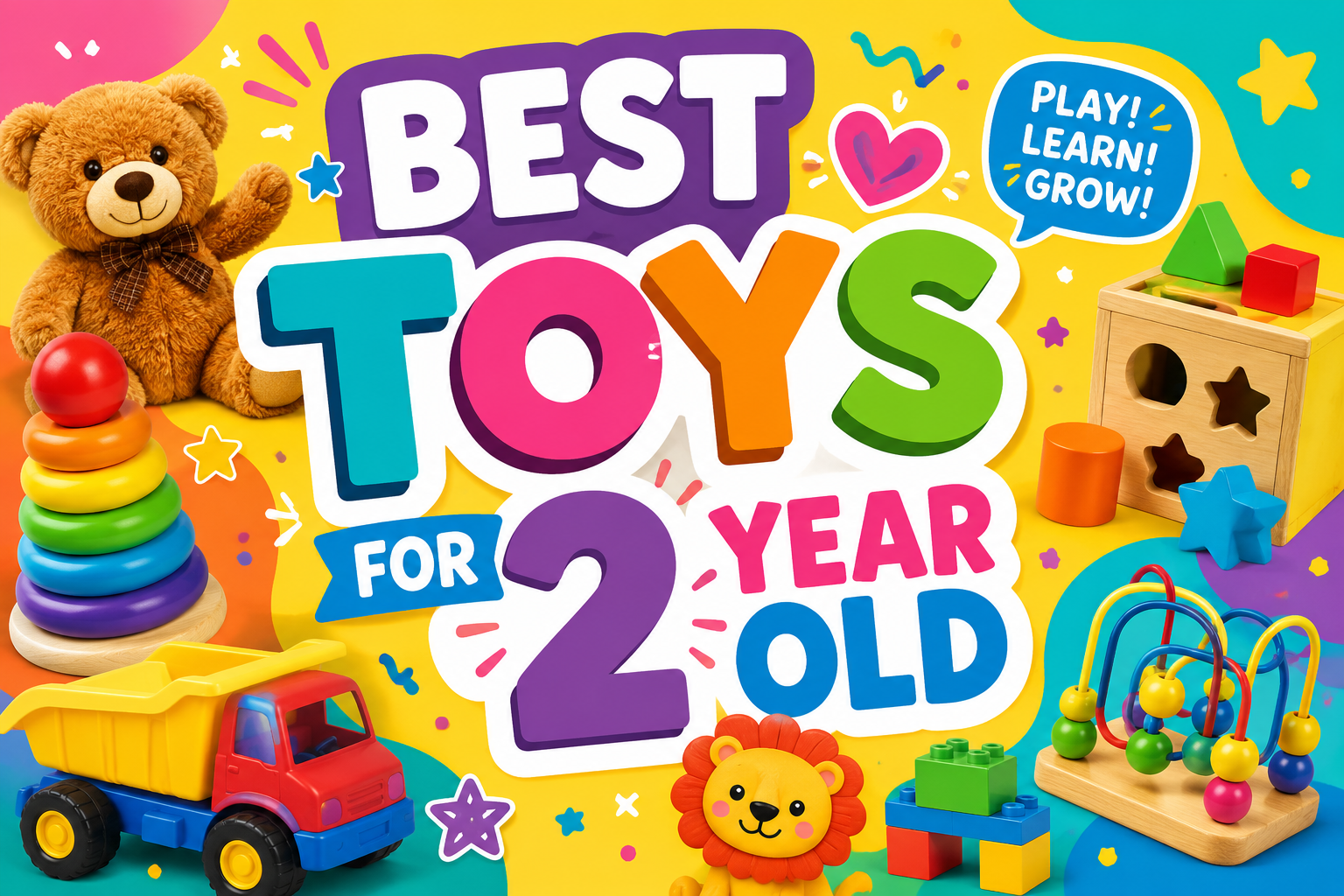
Best Toys for 2 Year Old: Choosing the best toys for a 2-year-old can feel overwhelming because there are thousands of options available. Every toy promises to entertain, educate, or help with development, but not every product is suitable for a toddler. At this age, children are naturally curious, energetic, and eager to explore everything around them. The right toy should not only keep them engaged but also support their physical, emotional, and cognitive growth. best toys for 2 year old
Parents often wonder whether they should prioritize educational toys or simply buy something fun. The good news is that the best toys combine both. A toddler learns through play, so every block they stack, puzzle they solve, or pretend meal they cook contributes to their development. Instead of focusing only on flashy features, it’s more important to choose toys that encourage creativity, movement, communication, and problem-solving. best toys for 2 year old
In this guide, we’ll explore the best toys for 2-year-olds, what features matter the most, and how to choose toys that your child will enjoy for months instead of just a few days. Whether you’re shopping for a birthday, holiday, or simply want to surprise your little one, this guide will help you make a smart decision. best toys for 2 year old
Why Choosing the Right Toys Matters for a 2-Year-Old
At two years old, children experience rapid brain development. They begin recognizing shapes, colors, animals, numbers, and simple words while improving their balance and coordination. Because of this, toys become much more than entertainment—they become learning tools that help shape important life skills. best toys for 2 year old
Well-designed toys encourage toddlers to think independently and solve simple challenges. Building blocks teach patience and creativity, shape sorters improve logical thinking, and pretend play sets develop communication skills. Even a simple ball can improve balance, coordination, and confidence while encouraging healthy physical activity.
Another important reason to choose carefully is safety. Two-year-olds still explore the world by touching and occasionally putting objects in their mouths. High-quality toys made from durable, non-toxic materials provide peace of mind while allowing children to play freely. Investing in safe, age-appropriate toys is always better than buying trendy products that may not match a toddler’s developmental stage. best toys for 2 year old
Features to Look for When Buying Toys
Safety should always come first when selecting toys for toddlers. Look for products made from BPA-free plastics, natural wood, or other child-safe materials. Avoid toys with small detachable pieces, sharp edges, or weak parts that could easily break. Checking the recommended age on the packaging is also a good habit because manufacturers test products for specific age groups. best toys for 2 year old
Durability is another essential factor. Two-year-olds are energetic and often throw, drop, or climb on their toys. A well-built toy lasts much longer and continues to provide value as your child grows. While cheaper toys might seem attractive, they often wear out quickly or become unsafe after repeated use.
Versatility also matters. The best toys are those that can be enjoyed in different ways over time. For example, wooden blocks can become towers, bridges, castles, or imaginary cities. Ride-on toys improve balance today and become exciting adventure vehicles tomorrow. Toys that inspire open-ended play usually keep children interested for much longer than those with only one function. best toys for 2 year old
Best Types of Toys for 2-Year-Olds
Building Blocks
Building blocks remain one of the best investments for toddlers because they encourage creativity, patience, and fine motor skills. Children enjoy stacking towers, knocking them down, and building them again, learning valuable lessons about balance and problem-solving during the process. best toys for 2 year old
Blocks also encourage imagination. A simple collection of colorful blocks can become a zoo, a castle, a train station, or even a small town. Since there are no strict rules, children learn to create their own stories while developing confidence in their ideas.
Parents appreciate building blocks because they grow with the child. A toddler may begin by stacking only a few pieces, but within a year they can build much larger and more detailed structures. This makes blocks a toy that delivers long-term value.
Shape Sorters and Stacking Toys
Shape sorters are excellent educational toys because they teach toddlers to recognize shapes, colors, and sizes while improving hand-eye coordination. Children naturally enjoy the challenge of matching each piece with the correct opening, making learning feel like a fun game instead of a lesson. best toys for 2 year old
Stacking rings and cups also play an important role in early childhood development. As toddlers arrange pieces from largest to smallest, they begin understanding concepts like size, order, and balance. These simple activities strengthen fine motor skills and concentration. best toys for 2 year old
Many stacking toys include bright colors and playful designs that attract children’s attention without relying on screens or batteries. Their simplicity is exactly what makes them effective, encouraging independent play while supporting healthy development. best toys for 2 year old
Pretend Play Toys
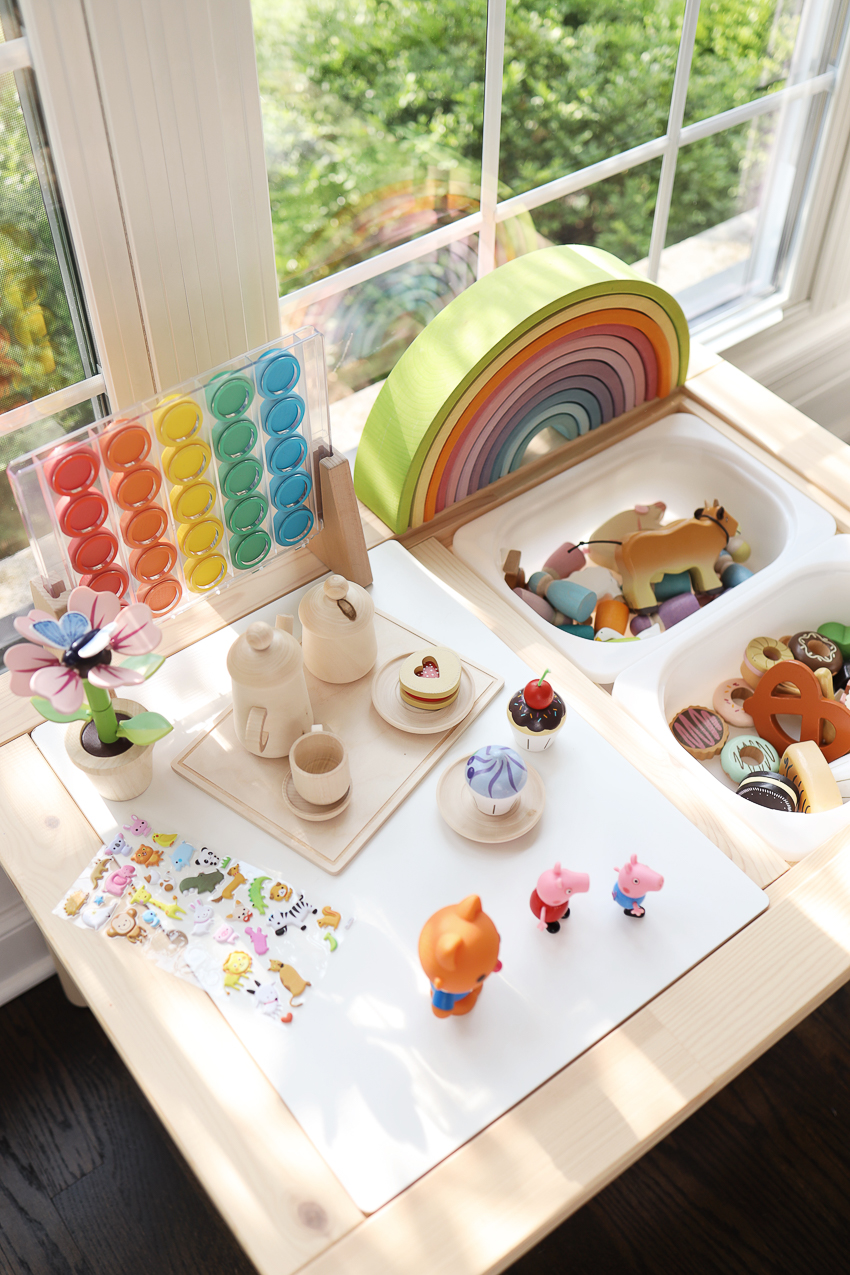
Pretend play becomes increasingly important around the age of two. Toy kitchens, grocery sets, doctor kits, cleaning sets, and doll accessories allow children to imitate adults, helping them understand everyday situations while building confidence.
Role-playing also improves language development. As toddlers pretend to cook dinner, care for a doll, or treat a stuffed animal, they naturally practice new words and sentences. Parents who join the play can encourage conversations that strengthen communication skills even further. best toys for 2 year old
Another benefit of pretend play is emotional development. Acting out different scenarios helps children express feelings, understand empathy, and build social skills. These experiences prepare them for preschool and future interactions with other children. best toys for 2 year old
Educational Toys That Make Learning Fun
Educational toys don’t have to feel like classroom activities. In fact, the best learning toys are the ones children enjoy without realizing they’re developing important skills. Alphabet puzzles, number games, matching cards, and interactive books are excellent examples because they combine entertainment with education.
Music toys are another fantastic choice for two-year-olds. Small keyboards, drums, tambourines, and xylophones encourage creativity while improving listening skills and rhythm. Singing songs together also helps toddlers remember words, improve pronunciation, and develop confidence in speaking. best toys for 2 year old
Interactive books with textures, sounds, flaps, or moving parts are equally valuable. Reading together strengthens the parent-child bond while introducing new vocabulary and encouraging curiosity. A daily reading routine, combined with engaging educational toys, creates a strong foundation for lifelong learning. best toys for 2 year old
Indoor and Outdoor Toys for Active Toddlers
Indoor Toys That Keep Toddlers Busy
Not every day is perfect for outdoor play, which is why having a few engaging indoor toys is a great idea. Soft climbing blocks, tunnels, ball pits, and mini slides allow toddlers to burn energy safely inside the house. These toys improve balance, coordination, and confidence while keeping children physically active. best toys for 2 year old
Creative toys such as magnetic drawing boards, washable crayons, coloring books, and chunky puzzles are also excellent choices for indoor play. They help strengthen hand muscles that children will later use for writing while encouraging creativity and imagination. Since these activities don’t require screens, they also help improve a child’s attention span.
Parents can make indoor play even more exciting by joining their child. Building a blanket fort, creating obstacle courses with cushions, or playing simple hide-and-seek games turns ordinary toys into memorable experiences. At this age, spending quality time together is often just as valuable as the toys themselves. best toys for 2 year old
Outdoor Toys for Healthy Development
Outdoor play offers benefits that indoor activities simply cannot replace. Ride-on toys, balance bikes, toddler scooters, and push cars help strengthen leg muscles while improving balance and coordination. As children move around independently, they also gain confidence in their physical abilities. best toys for 2 year old
Simple toys like balls, bubble makers, sandboxes, and water tables provide endless entertainment while encouraging movement and exploration. Chasing bubbles, kicking a ball, or digging in the sand may seem like simple games, but these activities improve motor skills and teach children about cause and effect.
Nature itself is one of the best playgrounds for a two-year-old. Visiting parks, collecting leaves, watching birds, or playing with safe natural materials helps develop curiosity about the world. Combining outdoor adventures with age-appropriate toys creates a healthy balance between structured and free play.
Screen-Free Play Ideas That Encourage Creativity
Many parents are looking for ways to reduce screen time, and the good news is that toddlers rarely need electronic entertainment when they have engaging activities available. Open-ended toys naturally capture a child’s imagination and encourage longer periods of focused play. best toys for 2 year old
Simple activities such as building towers, pretending to run a grocery store, creating animal stories with toy figures, or organizing a teddy bear picnic allow children to invent their own adventures. Unlike electronic toys that do most of the work, these activities require imagination, decision-making, and communication.
Reading books, singing songs, dancing to music, and working on simple crafts are equally valuable. These screen-free experiences strengthen family relationships while supporting emotional, social, and language development. Over time, children who regularly engage in creative play often become better problem-solvers and more independent learners. best toys for 2 year old
Tips for Choosing Toys That Grow with Your Child
One of the smartest ways to buy toys is to choose products that remain useful as your child develops. Open-ended toys such as wooden blocks, pretend play sets, train tracks, and building toys can be enjoyed in different ways for several years. Instead of losing interest quickly, children continue discovering new ways to play.
Quality should always come before quantity. A small collection of durable, well-designed toys often provides more educational value than a room filled with inexpensive toys that break easily or become boring after a few days. Rotating toys every week or two is another helpful strategy because it keeps familiar toys feeling fresh and exciting. best toys for 2 year old
Finally, remember that every child develops at their own pace. Some toddlers love active outdoor games, while others prefer books, puzzles, or pretend play. Observing your child’s interests will help you choose toys they genuinely enjoy rather than simply following popular trends. The best toy is one that matches your child’s personality while encouraging healthy development. best toys for 2 year old
Frequently Asked Questions (FAQs)
1. What type of toy is best for a 2-year-old?
The best toys are those that encourage learning through play. Building blocks, shape sorters, pretend play sets, puzzles, ride-on toys, and musical instruments are all excellent choices because they support physical, cognitive, and social development.
2. Are educational toys really worth buying?
Yes. Educational toys help toddlers develop language skills, problem-solving abilities, creativity, and hand-eye coordination while making learning enjoyable. The best educational toys never feel like lessons—they simply make playtime more meaningful.
3. How many toys should a 2-year-old have?
There is no perfect number. A smaller collection of high-quality, age-appropriate toys is usually better than having too many options. Too many toys can overwhelm children and reduce their ability to focus on creative play.
4. Should I avoid electronic toys?
Electronic toys can be entertaining in moderation, but experts generally recommend prioritizing toys that encourage imagination, movement, and interaction with parents or caregivers. Screen-free toys usually provide greater long-term developmental benefits.
5. Are wooden toys better than plastic toys?
Both can be excellent choices if they are safe and well-made. Wooden toys are often more durable and encourage open-ended play, while high-quality plastic toys can also provide educational value. The most important factors are safety, durability, and age appropriateness.
6. What should I avoid when buying toys for toddlers?
Avoid toys with small parts, sharp edges, toxic materials, long cords, or complicated features that are unsuitable for a two-year-old. Always check the recommended age range before making a purchase.
Conclusion
Finding the best toys for a 2-year-old doesn’t have to be difficult. The ideal toy is one that inspires curiosity, encourages movement, and helps children learn naturally through play. Whether it’s a simple set of building blocks, a pretend kitchen, a balance bike, or a colorful puzzle, every great toy supports important developmental milestones while creating joyful memories.
Rather than chasing the newest trends, focus on toys that are safe, durable, and versatile. Open-ended toys often provide the greatest value because they continue challenging children as they grow. They also encourage creativity, independent thinking, and problem-solving—skills that will benefit your child for years to come.
Most importantly, remember that no toy can replace the value of spending time together. Reading stories, building towers, pretending to cook meals, or playing outside with your toddler strengthens your relationship while making learning more meaningful. When parents participate in play, even the simplest toy becomes an opportunity for growth, laughter, and unforgettable moments.


